NAYAK IoT Switch:
A Strategic Roadmap for a Secure Automation Device
Building a versatile, secure, and reliable four-channel relay controller that bridges the gap between consumer and industrial automation.
Key Capabilities
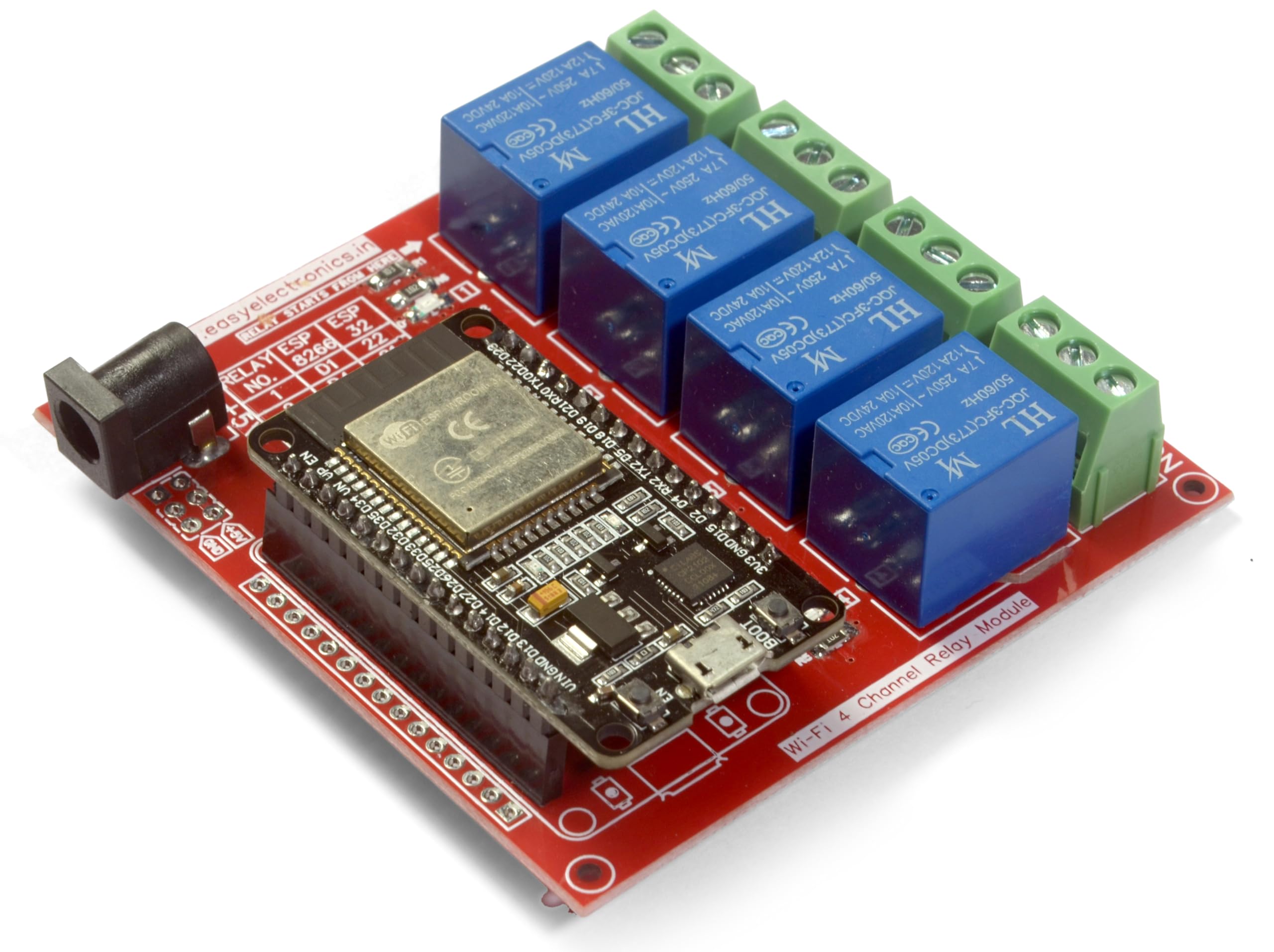
ESP32 + Opto-isolated Relay Module
The foundation of secure IoT automation
Executive Summary
Core Product Vision
The NAYAK IoT Switch is envisioned as a highly reliable, secure, and versatile automation device designed to meet the diverse needs of modern connected environments. The emphasis on reliability and security is paramount, addressing a critical gap in the consumer and small-scale industrial IoT markets.
Key Differentiators
- Unwavering focus on security through hardware isolation and encryption
- Versatility across AC mains and low-voltage DC loads
- Dual-mode control with local and remote access capabilities
Target Markets
Technical Foundation
Built around the ESP32 microcontroller paired with a high-quality, opto-isolated 4-channel relay module, providing a robust foundation for handling both AC and DC loads across all target markets.
Hardware Architecture & Component Selection
System Architecture Overview
Core Microcontroller Platform
ESP32: The Optimal Choice
- Dual-core Tensilica Xtensa LX6 up to 240 MHz
- Built-in Wi-Fi 802.11 b/g/n
- Bluetooth v4.2 BR/EDR and BLE
- Up to 520KB SRAM, 16MB Flash
- Hardware-accelerated encryption
- Rich peripheral support
- Large developer community
- Cost-effective solution
Alternative Considered: Arduino MKR GSM 1400
While the MKR GSM 1400 offers integrated cellular connectivity and a dedicated secure element (ATECC508A), its limited processing power (48MHz) and memory (32KB SRAM) make it less suitable for the comprehensive feature set required by NAYAK.
Arduino MKR GSM 1400 Documentation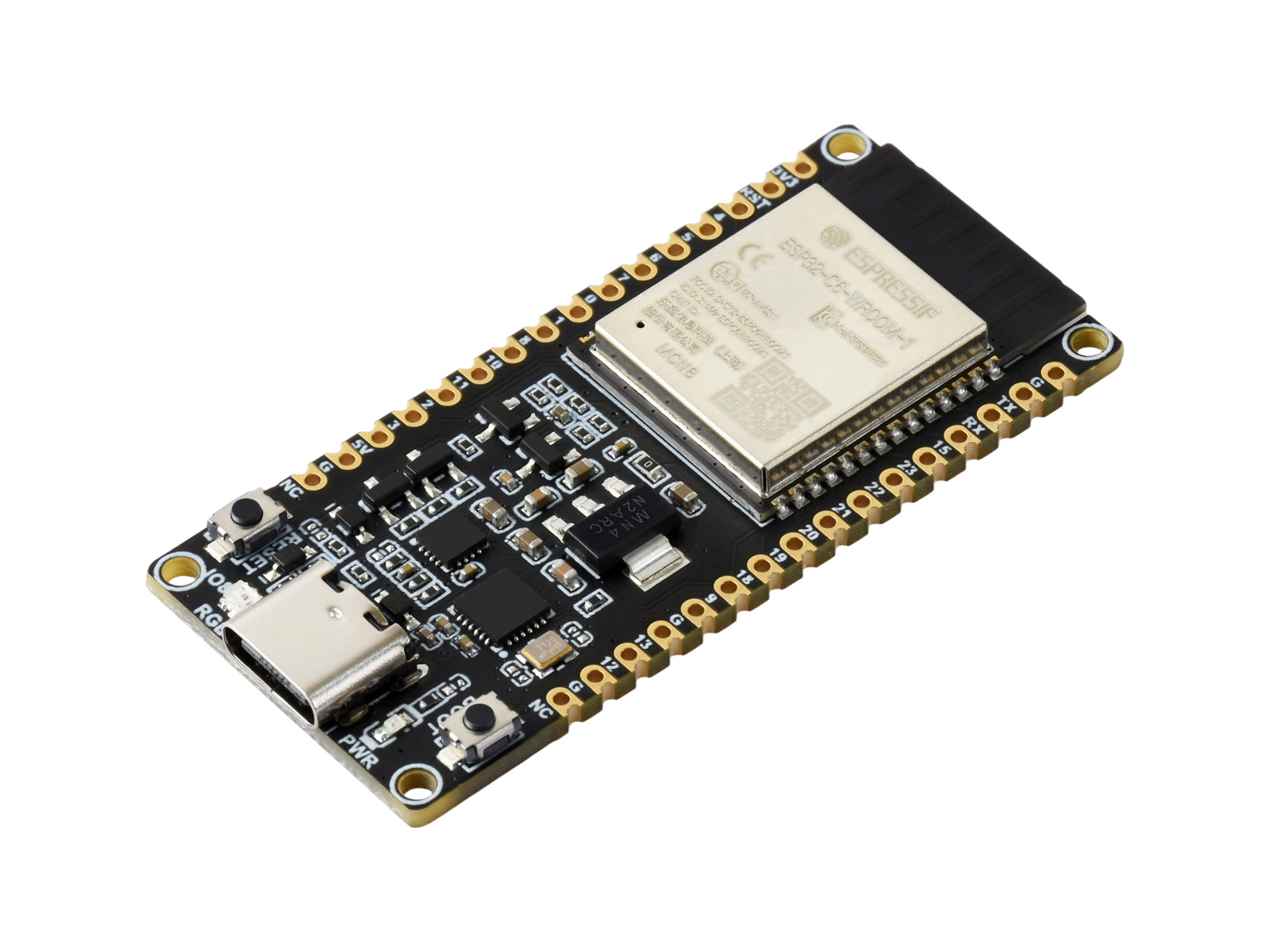
ESP32 Development Board
The foundation of NAYAK's connectivity and processing capabilities, offering integrated Wi-Fi and Bluetooth for seamless local and remote control.
Relay Module Design
Selected Module: 24VDC Quad Relay Module
Highly Recommended for NAYAK
Build Your CNC 24VDC Quad Module offers the most balanced feature set for versatile AC/DC load handling.
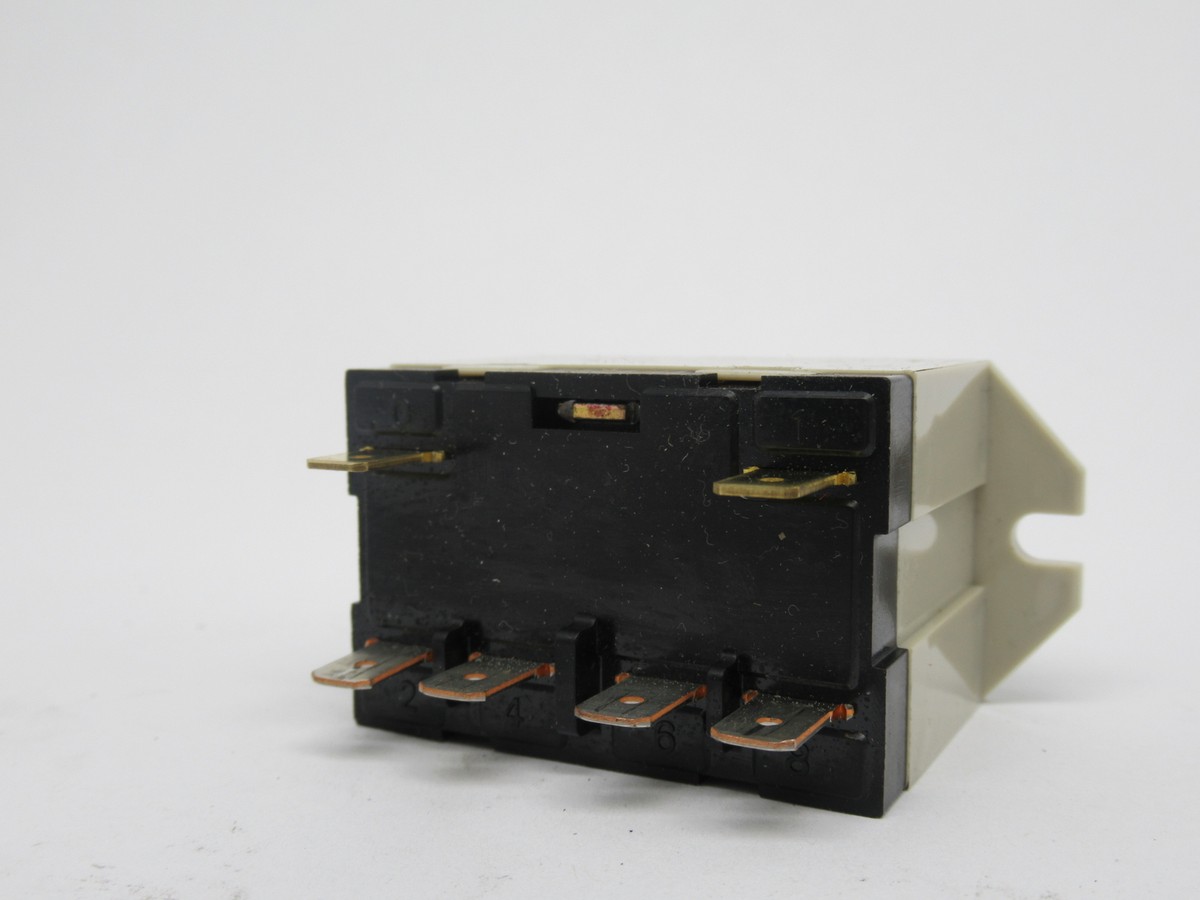
Key Advantage
The 30VDC/10A rating comfortably covers 24VDC systems prevalent in industrial automation and smart agriculture, while 250VAC/10A handles residential and light industrial applications.
Safety and Isolation
Optocoupler Isolation
Complete electrical separation between low-voltage control and high-voltage load circuits
TVS Diode Protection
Protection against electrostatic discharge and voltage transients on GPIO pins
Transistor Drivers
Current amplification for reliable relay coil activation without stressing MCU pins
Software and Connectivity Architecture
Comprehensive Control Options
Local Control Methods
Physical Buttons
Direct manual control with tactile feedback, ensuring operation without network connectivity
Local Web Server
LAN-based control via any web browser, independent of internet connectivity
MQTT/HTTP Protocols
Industry-standard communication protocols for integration with other IoT systems
Remote Access Solutions
Secure Tunneling
WireGuard VPN or SocketXP for encrypted remote access without port forwarding
Cloud Management
Device management platforms like ThingsBoard or AWS IoT for scalable deployments
Voice Assistants
Integration with Amazon Alexa and Google Home for hands-free control
Security-First Architecture
Hardware Security Features
- ESP32 secure boot and flash encryption
- Optocoupler isolation prevents voltage surges
- TVS diodes protect against ESD events
Software Security Measures
- TLS/SSL encryption for all communications
- Digital signature verification for OTA updates
- Secure tunneling eliminates port forwarding risks
User Interface & Experience
Mobile Application
Cross-platform iOS/Android app with intuitive controls, real-time status, and easy setup via Bluetooth LE or soft AP mode.
- • Real-time relay status monitoring
- • Customizable relay naming
- • Scene creation and scheduling
- • User permission management
Web Dashboard
Comprehensive control hub for advanced configuration, historical data analysis, and system monitoring.
- • Historical usage analytics
- • Energy consumption tracking
- • Complex automation rules
- • System logs and diagnostics
Voice Integration
Seamless integration with popular voice assistants for hands-free control and routine automation.
- • Amazon Alexa skills
- • Google Assistant actions
- • Custom voice commands
- • Routine and scene integration
Development Roadmap
Development Timeline
Hardware Prototyping
Assemble Core Components
Connect ESP32 development board to 4-channel relay module with proper logic level compatibility
Implement Isolation
Configure optocoupler isolation with separate power supplies for logic and relay coils
Load Testing
Verify operation with 220V AC, 12V DC, and 24V DC loads across all four channels
Success Criteria
- • Reliable switching of all load types
- • Proper isolation between control and load sides
- • Stable ESP32 operation under load
Software Development
Local Web Server
Implement ESPAsyncWebServer for browser-based control without internet
Relay Control Logic
Develop firmware for physical buttons, HTTP requests, and GPIO control
Protection Testing
Verify TVS diode effectiveness with ESD testing and voltage monitoring
Key Deliverables
- • Responsive local web interface
- • Real-time relay status updates
- • Debounced physical button control
Security & Remote Access
Secure Communication
Implement TLS/SSL encryption using ESP32's hardware acceleration
Secure Tunneling
Integrate SocketXP or Remote.it for secure remote access without port forwarding
OTA Updates
Develop secure over-the-air firmware update mechanism with digital signatures
Security Focus
- • End-to-end encryption for all communications
- • Secure boot and firmware verification
- • Protection against unauthorized access
User Interface & Integration
Mobile & Web Apps
Develop cross-platform mobile app and comprehensive web dashboard
Voice Assistant Integration
Create Alexa skills and Google actions for seamless voice control
Beta Testing
Conduct user testing program and gather feedback for final improvements
User Experience Goals
- • Intuitive setup and configuration
- • Seamless local and remote control
- • Professional-grade reliability
Market Positioning & Competitive Analysis
Target Markets & Applications
Home Automation
- • Lighting control and scheduling
- • Appliance automation
- • Security system integration
- • Voice-activated routines
Key Advantage: Seamless voice integration and mobile control
Industrial Control
- • Machinery control and monitoring
- • Production line automation
- • Environmental controls
- • Safety interlock systems
Key Advantage: Reliability and dual-mode control for critical systems
Smart Agriculture
- • Irrigation system control
- • Greenhouse automation
- • Livestock monitoring
- • Environmental sensors
Key Advantage: Versatile AC/DC handling for mixed farm equipment
Competitive Landscape
Home Automation Solutions
Brands like VIMAR focus on ease of use but often lack robust security and industrial-grade reliability.
Limitation: Consumer-grade security and limited load versatility
Industrial Control Modules
Waveshare and similar brands offer reliability but at higher costs and complex setup processes.
Limitation: High cost and steep learning curve
Smart Agriculture Controllers
Specialized solutions often lack integration with modern IoT ecosystems and voice assistants.
Limitation: Limited connectivity options and user interfaces
NAYAK's Unique Value Proposition
Security & Reliability
Hardware-based isolation and enterprise-grade security from the ground up, not as an afterthought.
AC/DC Versatility
Single device handles both mains AC and low-voltage DC loads, simplifying inventory and installation.
Dual Control Modes
Unparalleled reliability with both local (LAN/physical) and remote (cloud/voice) control options.
Positioned between consumer and industrial solutions, offering professional-grade features at accessible pricing.
Market Opportunity
Strategic Path Forward
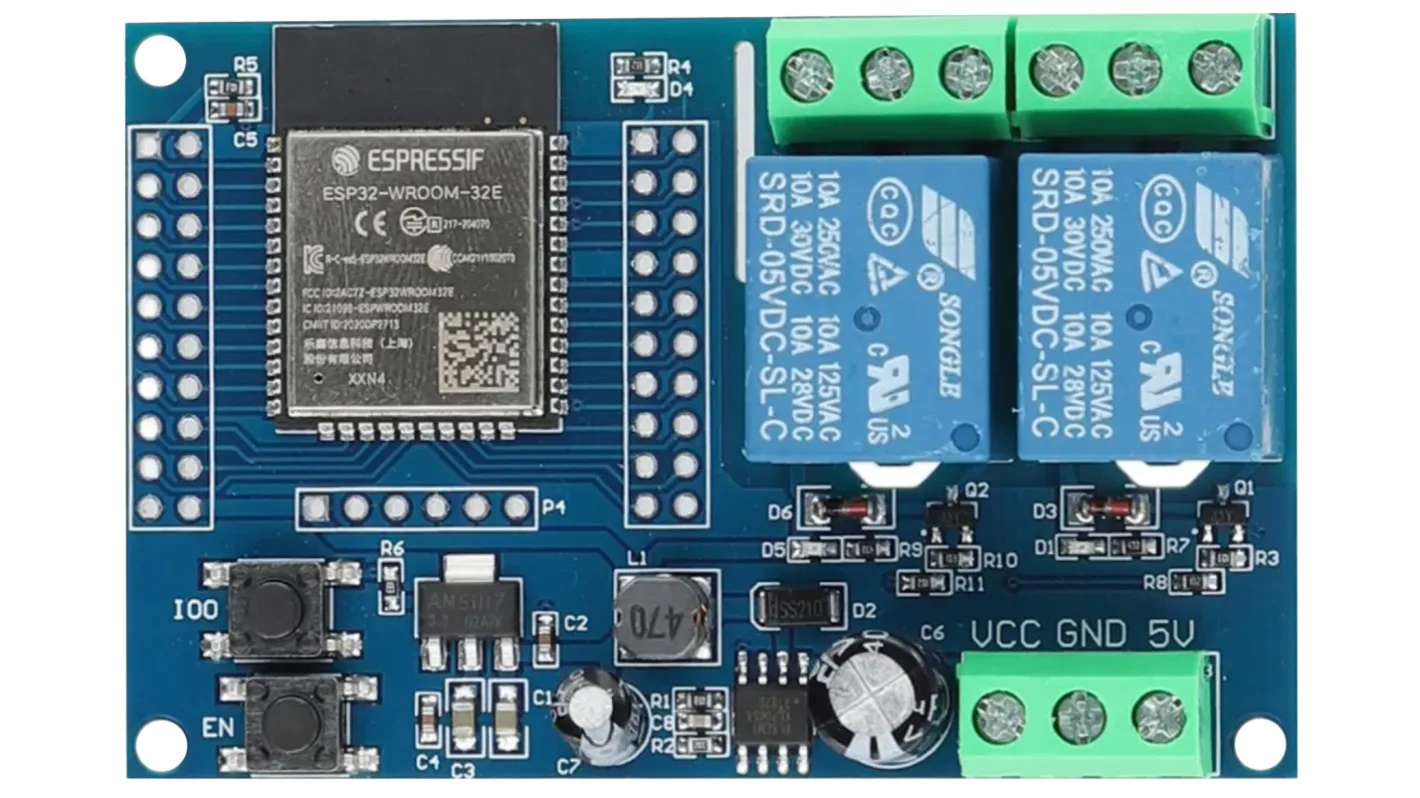
The NAYAK IoT Switch represents a strategic opportunity to capture market share in the rapidly growing IoT automation space by addressing critical gaps in security, reliability, and versatility.
Key Success Factors
Security-First Design
Built-in hardware isolation and enterprise-grade encryption create trust and differentiate from competitors.
Versatile Architecture
Single device handles diverse AC and DC loads across multiple markets, reducing inventory complexity.
User-Centric Experience
Multiple control options (local, remote, voice) ensure accessibility for all user types and scenarios.
Implementation Roadmap
Phase 1-2 Focus
Validate hardware design and establish reliable local control foundation using ESP32 and opto-isolated relay module.
Phase 3 Priority
Implement comprehensive security measures including TLS encryption, secure tunneling, and OTA update mechanisms.
Phase 4 Launch
Deliver polished user interfaces and voice integration, positioning NAYAK as a premium yet accessible automation solution.
The NAYAK Advantage
By focusing on security, reliability, and versatility from the ground up, NAYAK establishes itself as the trusted choice for users who cannot afford automation failures—whether in homes, industrial facilities, or agricultural operations.